
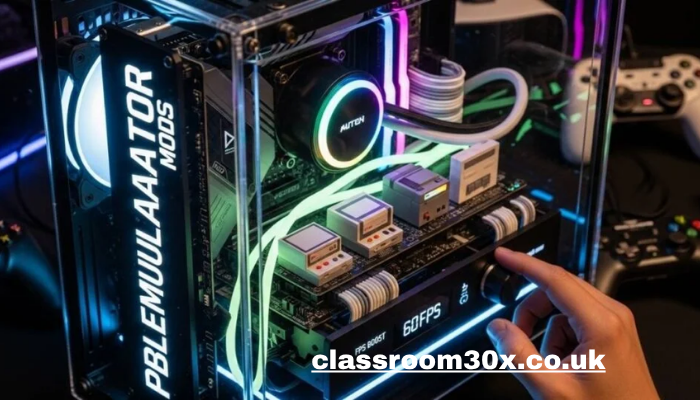
Set up for pblemulator can feel overwhelming when you first begin, especially if you are unfamiliar with emulation software, system settings, and performance optimization. Whether you are a beginner trying to launch your first emulator or an experienced user looking to improve speed and compatibility, understanding the proper setup process is essential for a smooth experience.
Modern emulators have become incredibly powerful, offering enhanced graphics, customizable controls, and compatibility with a wide range of systems. However, incorrect installation methods, poor configuration, or outdated drivers can create lag, crashes, and frustrating gameplay issues. That is why learning the correct set up for pblemulator is important before diving into advanced customization.
This detailed guide explains everything you need to know, including installation steps, system requirements, controller setup, graphics optimization, troubleshooting, and performance enhancements. By the end of this article, you will have a fully optimized pblemulator setup capable of delivering reliable and enjoyable emulation performance.
Understanding the Basics of Set Up for Pblemulator
Before beginning the installation process, it is important to understand what pblemulator actually does and why correct setup matters. Pblemulator is designed to simulate gaming environments and software systems, allowing users to run applications or games that may not otherwise function on their hardware. The emulator acts as a bridge between the original platform and your current operating system.
One of the most common mistakes users make during the set up for pblemulator is skipping compatibility checks. Every emulator has minimum and recommended hardware requirements. Systems with insufficient RAM, outdated processors, or unsupported graphics drivers may struggle to deliver stable performance. Therefore, reviewing your PC specifications beforehand can prevent unnecessary issues later.
Another key factor involves selecting the right version of the emulator. Some versions prioritize stability, while others include experimental features. Beginners should generally choose the stable release because it reduces crashes and compatibility problems. Advanced users may prefer beta builds for enhanced features and performance improvements.
Operating system compatibility also plays a significant role in emulator performance. Windows users often enjoy broader support and easier driver installation, while Linux users may benefit from better resource management. Mac users should verify compatibility before starting the installation because certain emulators may require additional tools or workarounds.
Understanding BIOS files, firmware, and plugins is equally important during the set up for pblemulator process. Some emulators require official system files to function correctly. Missing or corrupted BIOS files can prevent games from launching properly. Always store emulator files in organized folders to make updates and troubleshooting easier.
Finally, internet connectivity can improve your overall experience. Some versions of pblemulator support cloud synchronization, multiplayer connectivity, and automatic updates. Ensuring a stable internet connection during installation helps download required dependencies and patches efficiently.
Step-by-Step Installation Process for Set Up for Pblemulator
The installation phase is the foundation of a successful emulator experience. A poorly executed installation can lead to crashes, corrupted files, and reduced performance. Following a structured installation process ensures stability from the beginning.
Start by downloading the latest stable version of pblemulator from a trusted source. After downloading the installer, scan the file using reliable antivirus software. This step protects your system from malware or modified installation packages that could compromise performance or security.
Once verified, launch the installer and carefully follow the on-screen instructions. Choose a custom installation directory rather than the default system folder. Keeping emulator files in a dedicated folder simplifies future backups, updates, and modifications. Many advanced users create separate folders for save files, BIOS data, screenshots, and plugins.
During the set up for pblemulator process, you may encounter optional plugin installations. Plugins often improve graphics rendering, audio quality, and controller compatibility. Install only the plugins that are officially supported or recommended by the emulator developers. Unsupported plugins can introduce instability.
After installation, launch the emulator for the first time. The initial startup typically includes a configuration wizard. This wizard helps configure graphics settings, audio drivers, and controller input mappings. Beginners should use default settings initially before experimenting with advanced customizations.
Next, configure your game directories or ROM folders. Organizing files properly helps the emulator locate content quickly and reduces loading issues. Use clearly labeled folders and avoid moving files after configuration unless you update the directory paths inside the emulator settings.
The final step involves updating essential drivers. Graphics drivers are particularly important because outdated drivers often cause graphical glitches, screen tearing, or poor frame rates. Ensure your GPU drivers, audio drivers, and chipset software are fully updated before running demanding games or applications.
Optimizing Graphics and Performance in Set Up for Pblemulator
Performance optimization is one of the most important aspects of a successful emulator experience. Even powerful systems can experience lag if the emulator settings are not configured correctly. Proper optimization allows smoother gameplay, improved graphics quality, and better stability.
The first setting to adjust during the set up for pblemulator process is rendering resolution. Increasing internal resolution improves visual clarity but also places greater stress on the GPU. Users with mid-range hardware should begin with native resolution before gradually increasing settings based on performance results.
Frame rate management is another critical factor. Some games may run too fast or too slow if synchronization settings are incorrect. Enable frame limiting and vertical synchronization to maintain stable gameplay. These features help eliminate screen tearing while preserving accurate game speed.
Shader settings can dramatically improve graphics quality. Shaders simulate advanced visual effects such as enhanced lighting, smoothing, and color correction. However, enabling too many shaders simultaneously may reduce performance. Test shader combinations carefully to find the right balance between visuals and stability.
Texture filtering and anti-aliasing are additional options that influence image quality. Higher settings create sharper visuals and smoother edges, but they require stronger hardware. If your emulator begins stuttering, lowering these settings can immediately improve responsiveness.
CPU optimization is equally important during set up for pblemulator. Many emulators rely heavily on single-core processor performance. Closing unnecessary background applications frees up system resources and reduces interruptions. Users with modern multi-core processors can also enable multi-threading features if supported by the emulator.
Storage speed matters more than many users realize. Installing emulator files and game data on an SSD significantly reduces loading times compared to traditional hard drives. Faster storage also improves texture streaming and overall system responsiveness during gameplay.
Lastly, monitor system temperatures while using the emulator. Excessive heat can trigger thermal throttling, reducing performance dramatically. Cleaning dust from cooling systems and maintaining proper airflow helps sustain stable operation during extended gaming sessions.
Controller Configuration and Audio Setup for Pblemulator
A smooth control scheme is essential for enjoyable gameplay. One of the biggest advantages of modern emulators is the ability to customize controller layouts based on personal preference. Proper controller setup ensures responsive and accurate gameplay across different genres.
Most versions of pblemulator support multiple controller types, including USB gamepads, wireless controllers, keyboards, and arcade sticks. Begin by connecting your preferred input device before launching the emulator. Many emulators automatically detect supported hardware during startup.
Inside the controller settings menu, map each button carefully. Avoid rushing through this process because incorrect mappings can create frustrating gameplay experiences. Test every input individually to ensure responsiveness. Advanced users often create multiple controller profiles for different game genres.
Dead zone adjustment is another important setting during set up for pblemulator. Analog sticks sometimes register slight unintended movement, especially on older controllers. Increasing the dead zone slightly can eliminate drifting without affecting responsiveness.
Wireless controller users should pay attention to latency settings. Bluetooth interference or weak connections may introduce input delay. Using a wired connection often provides the most stable performance for competitive or fast-paced games.
Audio configuration also contributes significantly to immersion. Incorrect audio settings may cause crackling, desynchronization, or delayed sound effects. Choose the correct audio backend based on your operating system and hardware configuration. Lower latency settings improve responsiveness but may increase CPU usage.
Some users prefer surround sound or enhanced audio processing. If supported, configure speaker layouts carefully for the best experience. Headphones often provide clearer directional audio, especially in action-heavy games where sound cues are important.
Finally, save your controller and audio profiles after configuration. Backup files allow quick restoration if future updates or system changes reset your settings unexpectedly
Troubleshooting Common Problems in Set Up for Pblemulator
Even with careful preparation, users may still encounter occasional problems. Fortunately, most emulator issues can be solved through systematic troubleshooting and proper maintenance.
One common issue involves emulator crashes during startup. This problem is often caused by missing dependencies, corrupted BIOS files, or incompatible plugins. Reinstalling the emulator and verifying required files usually resolves startup errors quickly.
Performance drops and lag spikes are another frequent complaint during set up for pblemulator. Background applications, antivirus scans, or overheating can reduce system performance. Closing unnecessary programs and monitoring hardware temperatures often restores stable frame rates.
Graphics glitches such as flickering textures, black screens, or distorted visuals usually indicate driver issues or incompatible rendering settings. Switching between rendering backends like OpenGL, Vulkan, or DirectX can often solve these problems.
Audio desynchronization is particularly frustrating for rhythm or action games. Lowering audio latency, updating sound drivers, or adjusting synchronization settings may eliminate delays. Users should also avoid overloading the CPU with excessive graphical enhancements.
Save file corruption can occur if the emulator closes unexpectedly during gameplay. Creating regular backups protects your progress from accidental loss. Many users enable automatic cloud synchronization for additional security.
Controller recognition problems are typically related to outdated drivers or incorrect input configurations. Reconnecting the controller, reinstalling drivers, or resetting input profiles can restore functionality. Wireless users should ensure batteries are fully charged to avoid intermittent disconnections.
Internet-related features may occasionally fail due to firewall restrictions or network configuration issues. Allowing the emulator through firewall settings and verifying online service compatibility often resolves connectivity problems.
Keeping the emulator updated remains one of the best long-term maintenance strategies. Developers regularly release patches addressing bugs, compatibility improvements, and security fixes. Regular updates ensure your setup remains stable and optimized.
Conclusion
Mastering the set up for pblemulator process is the key to achieving stable performance, smooth gameplay, and high-quality visuals. While the initial setup may seem technical, taking the time to configure your emulator correctly leads to a far more enjoyable experience in the long run.
From installation and graphics optimization to controller configuration and troubleshooting, every step plays an important role in overall emulator performance. Proper organization, updated drivers, and balanced settings can dramatically improve compatibility and reduce frustrating technical issues.
Whether you are a beginner exploring emulation for the first time or an advanced user seeking better optimization, following the strategies outlined in this guide will help you create a reliable and efficient pblemulator environment tailored to your needs.
FAQs
1. What is pblemulator used for?
Pblemulator is used to emulate gaming or software environments on modern hardware systems.
2. Is set up for pblemulator difficult for beginners?
No, beginners can complete the setup successfully by following proper installation and configuration steps.
3. Does pblemulator require a powerful PC?
A mid-range PC is usually sufficient, but higher-end hardware improves graphics and performance.
4. Why is my pblemulator lagging?
Lag often occurs due to outdated drivers, incorrect settings, overheating, or insufficient system resources.
5. Can I use wireless controllers with pblemulator?
Yes, most versions support wireless Bluetooth controllers and USB gamepads.
6. What graphics backend should I use?
The best backend depends on your hardware, but Vulkan and DirectX are commonly preferred for performance.
7. How do I fix audio delays in pblemulator?
Lower audio latency settings and update sound drivers to reduce synchronization problems.
8. Should I update pblemulator regularly?
Yes, updates improve stability, compatibility, security, and overall performance.
9. Can I improve loading times?
Installing emulator files on an SSD can significantly improve loading speed and responsiveness.
10. How do I prevent save file corruption?
Create regular backups and avoid shutting down the emulator unexpectedly during gameplay.
